
 Call (832) 856-9586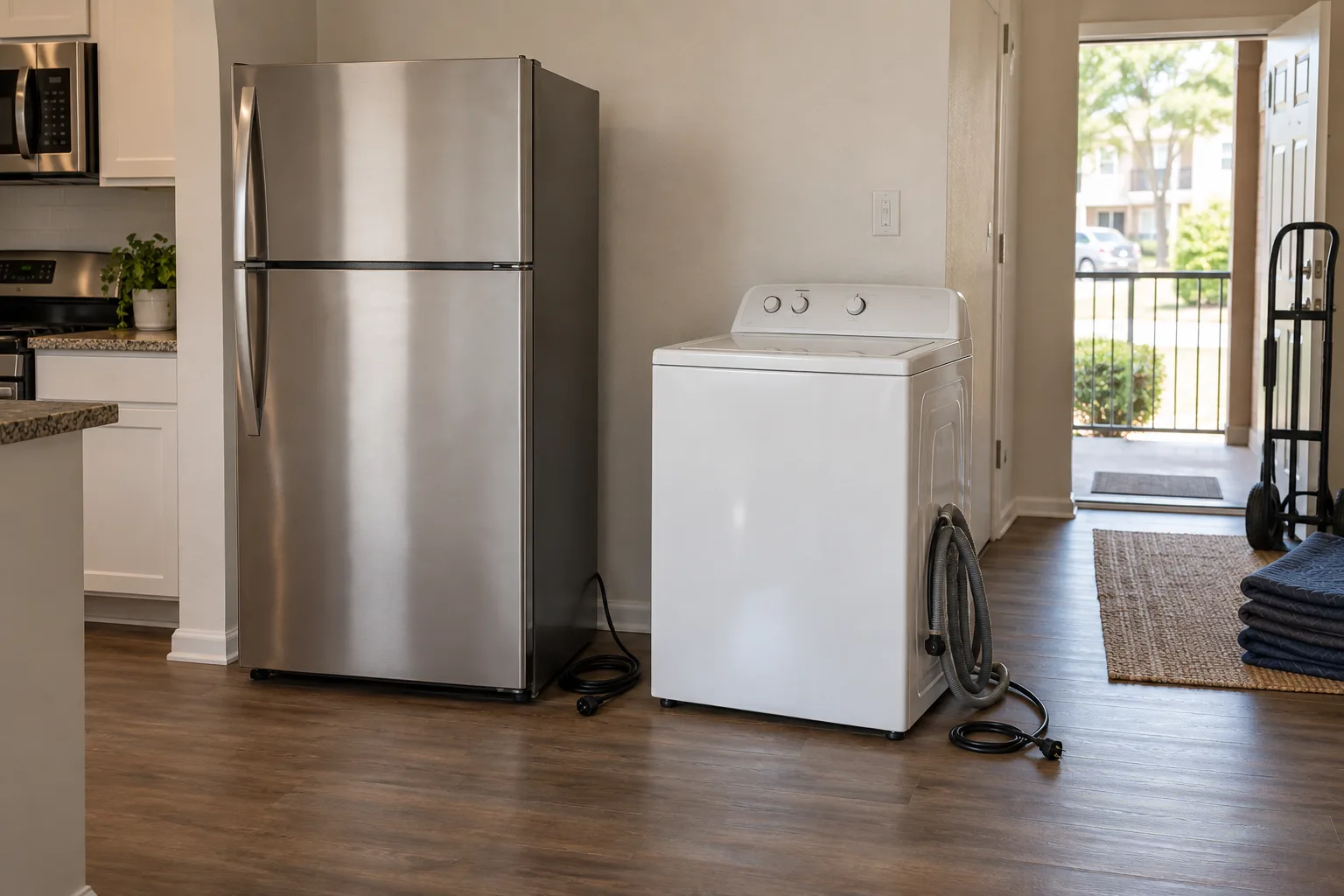
Do not bury appliances, electronics or household chemicals inside the general removal pile. Photograph each item, identify what it is, and ask how it will be handled before the crew arrives. The right destination depends on refrigerants, batteries, data, chemical contents and current local acceptance rules.
Prepare appliances without damaging the unit
Empty refrigerators and freezers, remove food and let ice melt with enough time to dry the interior. Keep the doors closed during staging. A qualified person should disconnect hardwired, gas-connected or plumbed equipment when the connection is outside your ability or the lease requires professional work.
Refrigerators, freezers, window air conditioners and dehumidifiers may contain refrigerants. The U.S. Environmental Protection Agency requires refrigerant to be recovered before final disposal of covered appliances. Ask the removal provider who will handle that recovery and where the appliance is going. Do not cut refrigerant lines.
| Item | Before pickup | Question to ask |
|---|---|---|
| Refrigerator or freezer | Empty, defrost, dry, close doors, photograph model area without publishing personal data. | Who handles refrigerant recovery and disposal? |
| Washer | Remove contents, shut off water, have hoses disconnected, contain residual water. | Does the crew require hoses and cords secured? |
| Dryer | Empty lint, unplug or arrange safe gas disconnection. | Is the unit gas or electric, and who disconnects it? |
| Window AC or dehumidifier | Drain as directed by the manufacturer and keep upright. | Is refrigerant recovery included? |
Separate electronics and protect your data
Back up and erase personal data before a computer, phone, drive or smart device leaves your control. Remove accounts, SIM cards and memory cards where applicable. Keep loose lithium batteries and damaged or swollen batteries out of ordinary boxes and ask for a specific handling plan.
TCEQ says Texas law requires television and computer-equipment manufacturers to offer recycling opportunities to consumers. Its electronics page links to the Texas Recycles Computers and Texas Recycles TVs programs. Check those programs for current brand and consumer options rather than assuming every electronics item belongs in a landfill load.
Keep household chemicals upright, labeled and separate
TCEQ lists corrosive cleaners, fluorescent bulbs, fuels, mercury, some paints, pesticides, pool chemicals and wood stains among common household hazardous waste. Keep each product in its original labeled container. Store and transport containers upright, prevent leaks and never mix products. Keep them away from children, pets and the general removal pile.
For Alvin and Brazoria County, use TCEQ’s local program contact list or call the appropriate local government office to find a current collection event or facility. Eligibility, dates, quantities and accepted materials can change.
Ask these questions before the appointment
- Which appliances and electronics can be accepted in this load?
- Who handles refrigerant recovery?
- Should batteries be removed or kept with the device?
- Where will covered computers or televisions be recycled?
- Which chemicals must go to a separate local program?
- How should a leaking or damaged container be isolated until local guidance is available?
Do not solve a disposal problem by hiding the item. A clear photo and honest description give the service time to accept it, decline it or direct you to a safer program.
Call or text (832) 856-9586 with the item list before pickup. For the rest of the unit, use the apartment cleanout checklist.
Sources checked September 21, 2026: EPA safe disposal procedures for refrigerant appliances, TCEQ electronics recycling, TCEQ household hazardous waste guidance, and TCEQ local HHW program contacts. Program availability and acceptance rules should be checked again when scheduling disposal.